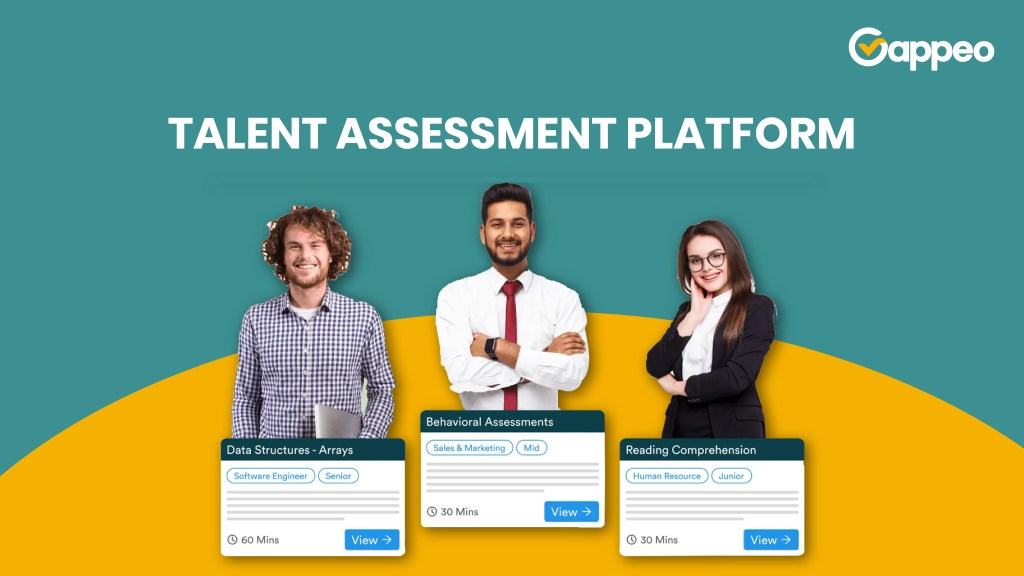
Hiring the right salespeople is critical—great reps drive revenue, build relationships, and fuel business growth. But resumes and interviews often don’t tell the full story. That’s where Sales Talent Assessments come in.
What Are Sales Talent Assessments?
Sales talent assessments evaluate whether a candidate has the skills, traits, and mindset needed to succeed in a sales role. These tests often focus on:
- Persuasion and negotiation
- Resilience and motivation
- Emotional intelligence
- Problem-solving
- Sales process knowledge
Some tools even simulate real-world selling scenarios or measure how candidates respond to rejection and objections.
Why Use Them?
- Predict Real Sales Performance
Go beyond charm—assess actual capabilities. - Reduce Hiring Risk
Avoid costly mis-hires and early turnover. - Speed Up the Hiring Process
Quickly filter top candidates from a large applicant pool. - Build Stronger Teams
Identify sales styles that complement your current team dynamics.
Top Assessment Tools
- Objective Management Group (OMG)
- Salesforce Assessments by Criteria Corp
- TalentSorter
- Wonderlic Sales Assessment
- Predictive Index (PI) Sales Profile
Best Practices
- Define Success in Your Sales Role
Inside vs. field sales? New business vs. account management? - Use Assessments Early in the Funnel
Screen candidates before first-round interviews. - Pair with Role Plays and Behavioral Interviews
Combine data with performance-based evaluation. - Benchmark Against Top Performers
Use past high-performers as a model.
Final Thought
Sales isn’t just about personality—it’s about performance. Sales talent assessments help you identify not just who looks good on paper, but who can deliver results on the floor.


 Gappeo BLOG
Leave a comment