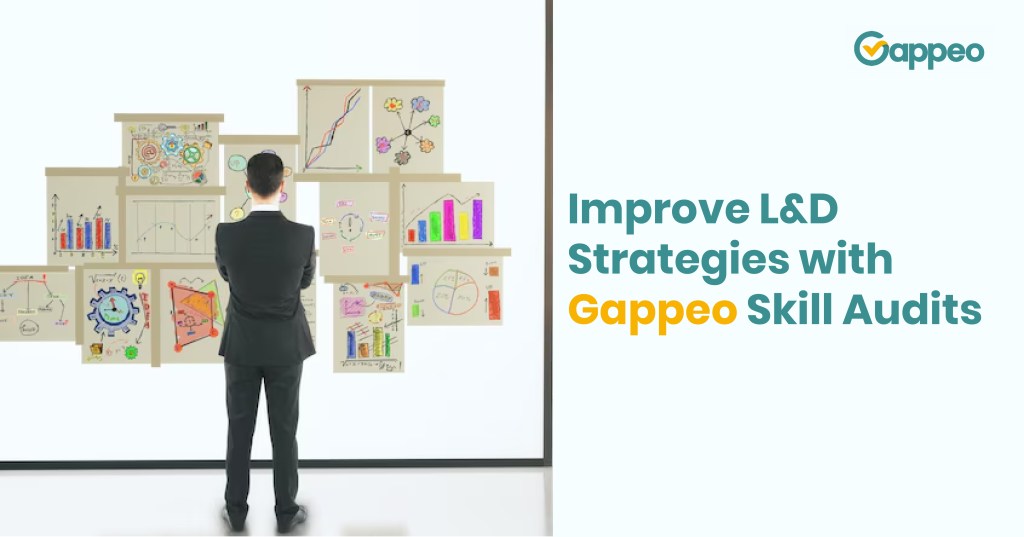
In today’s rapidly evolving business environment, companies must continuously invest in learning and development (L&D) to stay competitive. A structured L&D strategy, combined with comprehensive skill audits, ensures that employees are equipped with the necessary skills to drive organizational success. This article explores effective L&D strategies and the importance of skill audits in workforce development.
The Importance of Learning & Development (L&D)
Learning and Development (L&D) is essential for enhancing employee performance, improving job satisfaction, and fostering innovation. A strong L&D program helps businesses adapt to technological advancements, industry trends, and shifting market demands. Organizations that prioritize L&D experience higher employee engagement, reduced turnover, and increased productivity.
Comprehensive Skill Audits: A Vital Component of L&D
A skill audit is a systematic assessment of employees’ skills, competencies, and knowledge gaps. Conducting regular skill audits allows organizations to identify workforce strengths, detect skill gaps, and develop targeted training programs.
Steps to Conduct a Skill Audit
1. Identify Key Competencies
Define the critical skills required for each role within the organization. This includes technical, soft, and leadership skills needed to meet business objectives.
2. Assess Employee Skills
Use surveys, self-assessments, performance evaluations, and skill assessments to evaluate current employee competencies. AI-powered skill assessment tools provide objective insights into employees’ strengths and weaknesses.
3. Analyze Skill Gaps
Compare assessed skills against the required competencies to identify skill gaps. This analysis helps prioritize training initiatives that align with business needs.
4. Develop Targeted Training Plans
Based on the skill gap analysis, create customized training plans to upskill employees. Align learning objectives with career progression and organizational goals.
5. Monitor Progress and Adapt
Track employees’ progress through regular evaluations, feedback sessions, and performance reviews. Adapt L&D strategies to evolving business requirements and employee needs.
Learn More – Gappe’s Talent and Skill Assessment Platform

 Gappeo BLOG
Leave a comment